Home / Services / Blown-In Insulation
Residential & Commercial
Blown-In Insulation Kansas City
Blown-in is sold by R-value, and R-value only exists at full, uncompressed depth. Most underperforming attics were simply never filled to the number on the quote.
Settling Is Normal, and It Is Priced In or It Is Not
Loose-fill material compacts over time. Cellulose settles more than blown fiberglass, which is why it is installed above the target depth rather than level with it, so that the settled depth is the rated depth. A contractor who fills to the finished number on day one is selling an attic that will be under specification within a couple of seasons. It is also why an attic insulated years ago can measure short today without anyone having done anything wrong at the time.
Air Sealing Comes First, Every Time
Blown-in material sits on the ceiling plane and does nothing to stop air passing through it. If the ceiling below leaks at recessed lights, top plates, plumbing penetrations and the attic hatch, conditioned air moves straight through the fibres regardless of depth. Sealing those paths before the material goes down is what makes the depth meaningful.
Cellulose or Blown Fiberglass Here
Cellulose is denser, treated for fire resistance and resists air movement better, but it absorbs and holds water more readily. Blown fiberglass is lighter, handles damp with less risk and adds almost no load to a weak ceiling. In a climate with this much summer humidity and this much winter swing, the moisture history of the attic usually decides it.
When Blown-In Is the Wrong Answer
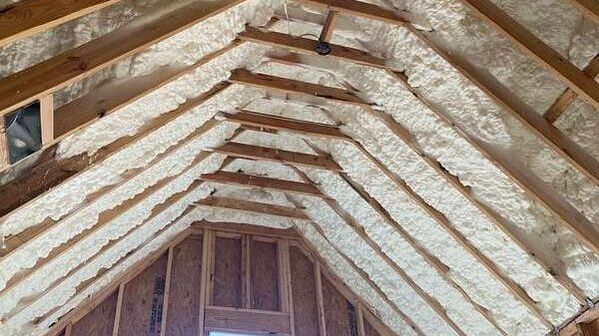
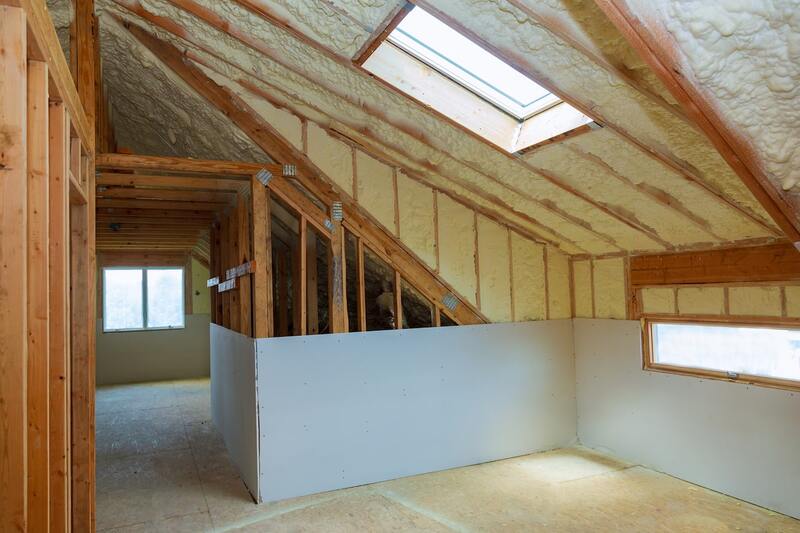
If ductwork or an air handler sits in the attic, material on the floor leaves that equipment in unconditioned space and foam at the roof line is usually the better spend. If the attic is partly finished or used for storage, a floor fill gets compressed and stops working. If the existing material is damp or contaminated, nothing should go on top of it until it has come out.
Questions
Common questions
Is blown-in cheaper than spray foam?
Per square foot, yes. It insulates but does not air seal, so the two are not doing the same job.
Can you add blown-in over what is already there?
Often yes, if the existing material is dry, clean and not compacted.
How deep should it be?
Deep enough to reach the R-value on your quote once settled, which we measure and show you rather than asking you to take it on trust.
Want to know what your project would cost?
Tell us about the property and we'll help you determine the next step.
Free written estimates • No obligation • Local team